
01
Reduce tension around the masseter muscles and temples.
Buccal massage for TMJ tension · City of London
A focused treatment for the muscles of the jaw, face, neck and scalp — designed to reduce muscular sensitivity, support easier movement and create a deeply relaxing whole-face experience.
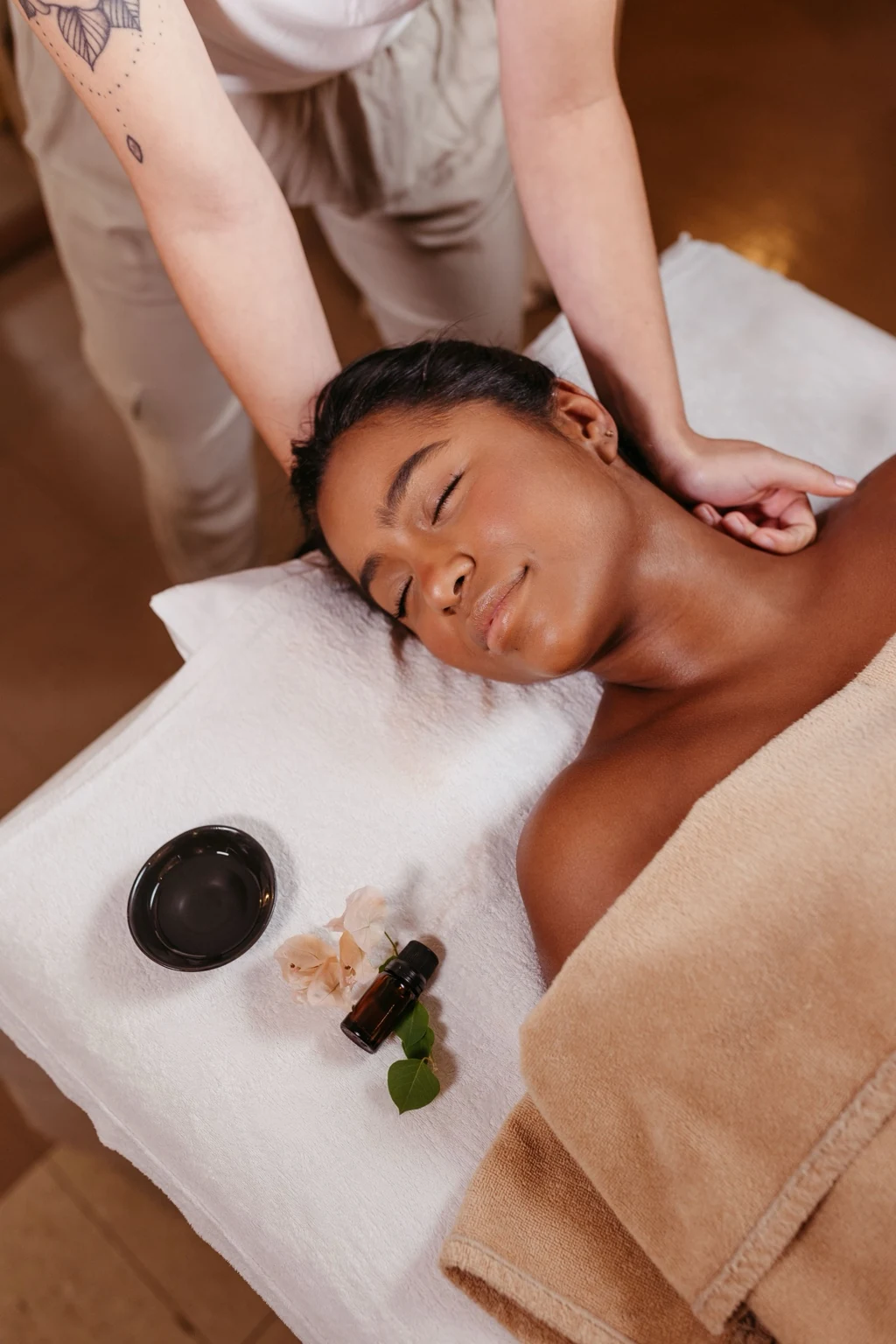
What is buccal massage?
Focused jaw careA treatment for muscular tension around the temporomandibular joints, face, neck and scalp, with optional intra-oral work performed only with your consent.
Treatment principles
Massage may help when symptoms are mainly muscular and linked to clenching or grinding, but TMD can also involve the joint, disc, teeth or other medical factors.
Buccal Massage for TMJ-Related Tension
Buccal massage is a focused treatment for the muscles of the jaw, face, neck and scalp. The temporomandibular joints — usually called the TMJs — connect the lower jaw to the skull. Problems affecting these joints and surrounding tissues are known as temporomandibular disorders, or TMDs.
When symptoms are mainly muscular and associated with habits such as jaw clenching or teeth grinding, massage may help reduce tension and make jaw movement feel more comfortable. However, TMD can also involve the joint, disc, teeth or other medical factors, so massage is not appropriate for every cause of jaw pain.
What does buccal massage include?
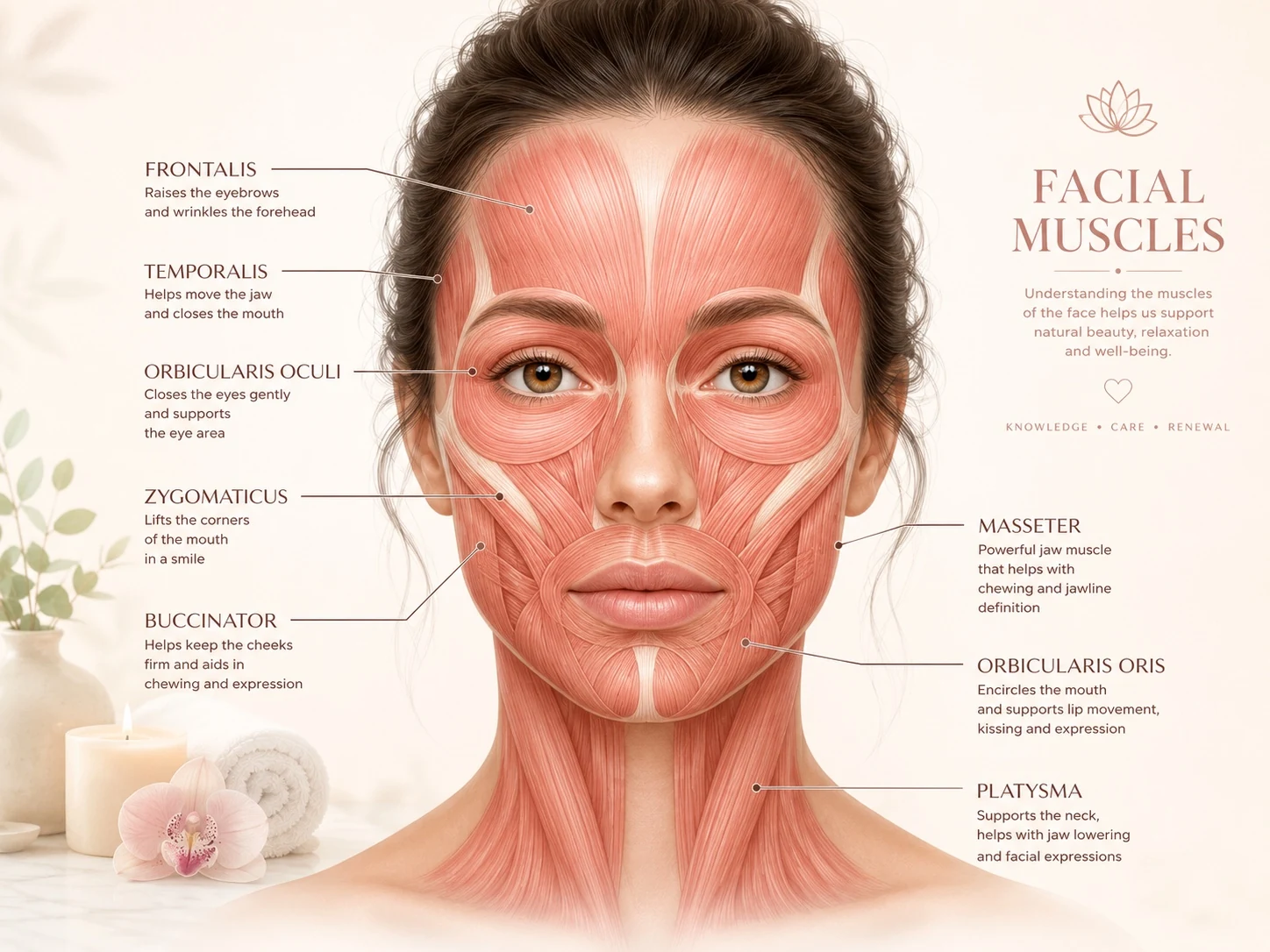
The treatment works with the masseter muscles, the powerful chewing muscles at the sides of the jaw, from both outside and inside the mouth. During the intra-oral part, the therapist wears gloves and carefully supports the cheek while applying controlled pressure to accessible jaw muscles from inside the mouth.
Other muscles may also be addressed, including the temporalis around the temples and muscles beneath and around the jaw. As with massage for a shoulder or another joint, the aim is to reduce muscular sensitivity and protective tension so that movement feels easier — not to force the joint into position.
The pressure is always adjusted to your comfort and discussed throughout the treatment. Intra-oral massage is optional and performed only with your clear consent.
A whole-face treatment
Buccal massage does not need to focus only on the painful area. Treatment may include the cheeks, forehead, temples, scalp and the base of the skull. Neck and shoulder massage may also be included because tension in the cervical region can be associated with jaw pain and restricted movement.
This wider approach can make the session deeply relaxing, especially for clients who hold stress in the jaw, forehead or shoulders. Research suggests that combining treatment of the jaw and neck may provide greater short-term improvements in pain and pain-free mouth opening than treating the neck alone, although the certainty of some findings remains limited (La Touche et al., 2020).
Potential benefits
Reduce tension around the masseter muscles and temples.
Ease muscular jaw pain and tenderness.
Improve comfortable mouth opening and jaw movement.
Reduce tension associated with clenching or grinding.
Relax the face, scalp, neck and shoulders.
Promote general relaxation and greater body awareness.
What does the research say?
Research suggests that intra-oral and combined jaw-and-neck approaches may help some people with muscular TMD, although treatment should still be guided by assessment and the cause of symptoms.
An Australian randomised trial involving 46 people with chronic muscular TMD found that intra-oral myofascial therapy reduced pain at rest, during mouth opening and while clenching over six weeks. Mouth-opening range did not differ significantly from education and self-care, and the authors noted that further research was needed (Kalamir et al., 2013).
Research suggests that combining treatment of the jaw and neck may provide greater short-term improvements in pain and pain-free mouth opening than treating the neck alone, although the certainty of some findings remains limited (La Touche et al., 2020).
After treatment and safety
Some temporary facial tenderness may occur after treatment, particularly following work on sensitive chewing muscles. This should remain mild and normally settle within 24–48 hours.
Persistent locking, significant swelling, dental pain or worsening symptoms should be assessed by a dentist or suitable healthcare professional.
References