
Muscle pain
Used to help settle sensitivity and guarding in tense or irritated muscular tissues.
Ultrasound and electrotherapy · City of London
Non-invasive treatments that may be added to massage, exercise or rehabilitation to help reduce pain sensitivity, ease protective muscle guarding and make movement feel more comfortable.
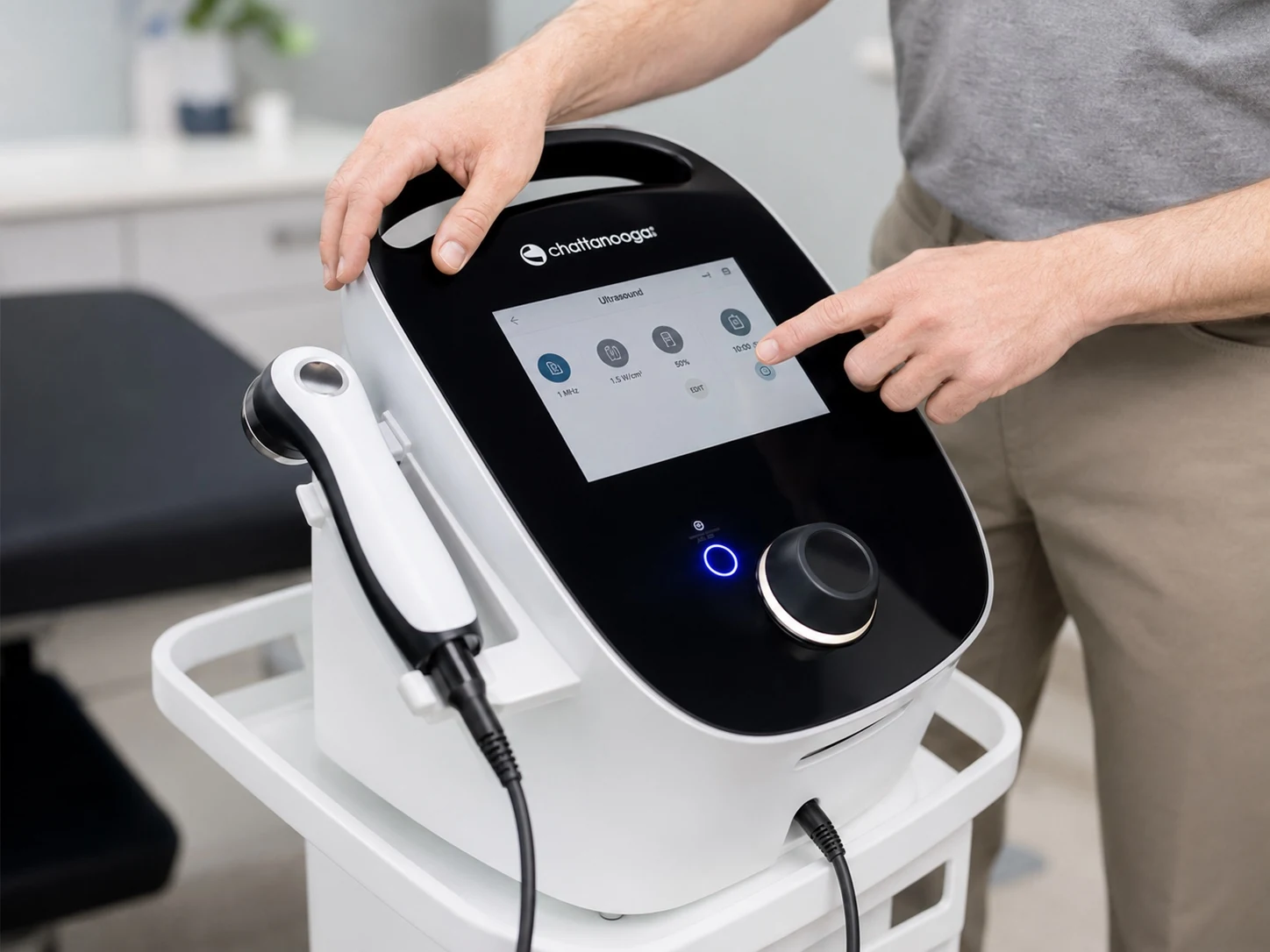
Therapeutic Ultrasound and Electrotherapy for Pain
Therapeutic ultrasound and electrotherapy are non-invasive treatments that may be added to massage, exercise or rehabilitation. They can be used for certain types of muscular pain, joint discomfort and soft-tissue irritation.
These treatments are best viewed as additions to a wider treatment plan rather than replacements for active rehabilitation. When appropriate, they may help settle pain sensitivity, make massage feel easier to tolerate or help you move with less guarding.
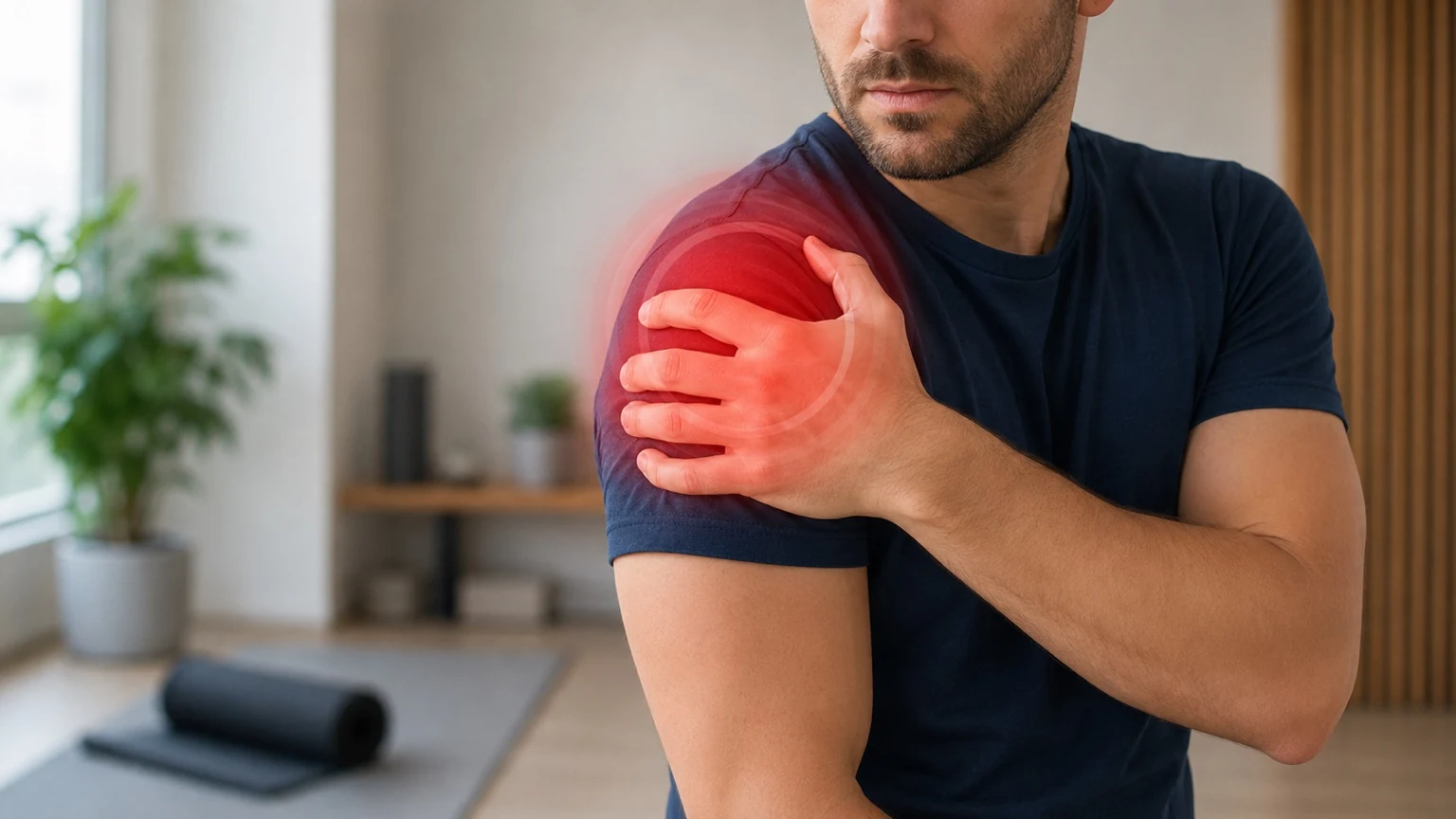
Advanced modalities
Both treatments are selected for a clear reason after assessment. They may help reduce pain sensitivity and protective muscle tension so that massage, movement or exercise feels more comfortable.
Used to help settle sensitivity and guarding in tense or irritated muscular tissues.
May complement treatment for selected painful or stiff knee, shoulder and other joint-related symptoms.
Can make active treatment easier to tolerate while movement, exercise and gradual loading remain central.
How does therapeutic ultrasound work?
Therapeutic ultrasound uses high-frequency sound waves rather than electrical current. A small amount of gel is applied to the skin, and the treatment head is moved continuously over the selected area.
Continuous ultrasound can produce a mild heating effect, while pulsed ultrasound delivers energy with less heating. These effects are intended to influence pain, tissue sensitivity and local circulation and may help tense muscles feel more comfortable.
Ultrasound is generally applied to localised soft-tissue areas, including muscles and myofascial trigger points, tendons and attachment areas, ligaments and joint capsules, some areas of scar tissue, and selected painful or stiff joints.
Ultrasound does not “break down” scar tissue or repair every injury. Its effectiveness varies considerably between conditions, so it should be chosen for a clear reason rather than applied routinely.
What is electrotherapy?
Electrotherapy is a broad term covering treatments that deliver a controlled electrical current through pads placed on the skin. For pain management, the most commonly used form is transcutaneous electrical nerve stimulation, or TENS.
TENS is believed to reduce pain by changing how pain signals are transmitted through the nervous system and by supporting the body’s natural pain-modulating mechanisms. Relief is usually temporary, but it may help reduce protective muscle guarding and make massage, movement or exercise more comfortable.
Other forms of electrical stimulation can produce visible muscle contractions and are used more for muscle activation or rehabilitation than relaxation.
What does the research say?
A major review of 381 randomised studies involving more than 24,000 participants found moderate-certainty evidence that strong but non-painful TENS reduced pain during or immediately after treatment compared with placebo, without reports of serious adverse events (Johnson et al., 2022).
For therapeutic ultrasound, a 2024 review found more favourable results for painful knee conditions, while evidence for shoulder problems was mixed. A Cochrane review concluded that evidence for ultrasound in chronic nonspecific lower-back pain remains uncertain, with little or no clear short-term pain benefit compared with placebo (Guan et al., 2024; Ebadi et al., 2020).
Strong but non-painful TENS appears to reduce pain during or immediately after treatment and can be a useful adjunct when symptoms are limiting comfortable movement.
Ultrasound may be useful in some situations, especially selected knee pain cases, but it is not consistently effective across all musculoskeletal conditions.
Overall
These treatments may help settle pain sensitivity and make rehabilitation more comfortable, but they are not replacements for an individual assessment, activity advice or appropriate exercise.
When appropriate, they can fit well alongside hands-on treatment and a practical rehabilitation plan for muscular pain, joint discomfort or soft-tissue irritation.
References