
Lower-back muscles & thoracolumbar fascia
Slow massage, sustained pressure and oil-free myofascial techniques may help reduce perceived stiffness and make movement feel easier through the back and trunk.
Massage for lower-back pain · City of London
A personalised treatment based on your symptoms, movement and areas of muscular sensitivity — considering not only the lower back, but also the gluteals, hips, abdominal wall, lower ribs and thoracolumbar fascia.
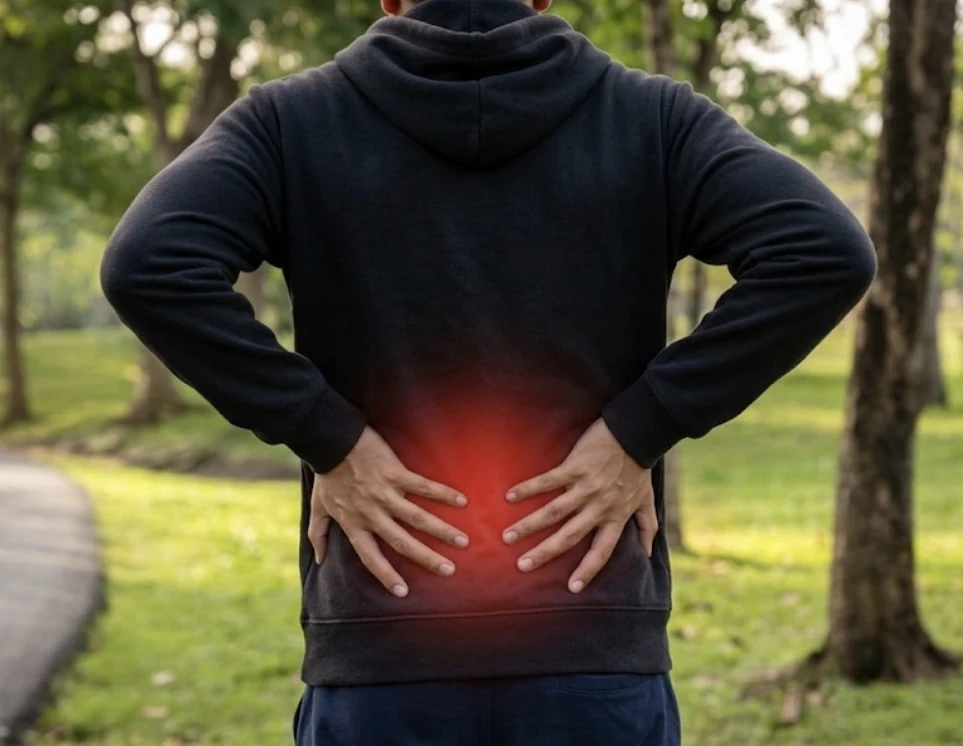
Remedial Massage for Lower-Back Pain
Remedial massage for lower-back pain is a personalised treatment based on your symptoms, movement and areas of muscular sensitivity. Rather than working only where the pain is felt, the therapist considers how the lower back interacts with the gluteal muscles, hips, abdominal wall, lower ribs and thoracolumbar fascia — the broad connective-tissue region linking the upper body, spine and pelvis.
Treatment may focus on reducing perceived stiffness, easing muscular sensitivity and helping movement feel safer and more comfortable, while being adapted carefully to your symptoms and preferences.
An anatomy-based approach
Lower-back muscles and the thoracolumbar fascia may be treated with slow massage, sustained pressure and oil-free myofascial techniques to help reduce perceived stiffness and make movement feel easier.
When relevant, treatment may also include gentle work for the abdomen and lower ribs with your consent. This is intended to encourage relaxed breathing and comfortable rib movement — not to “push organs into place” or guarantee reduced abdominal pressure.
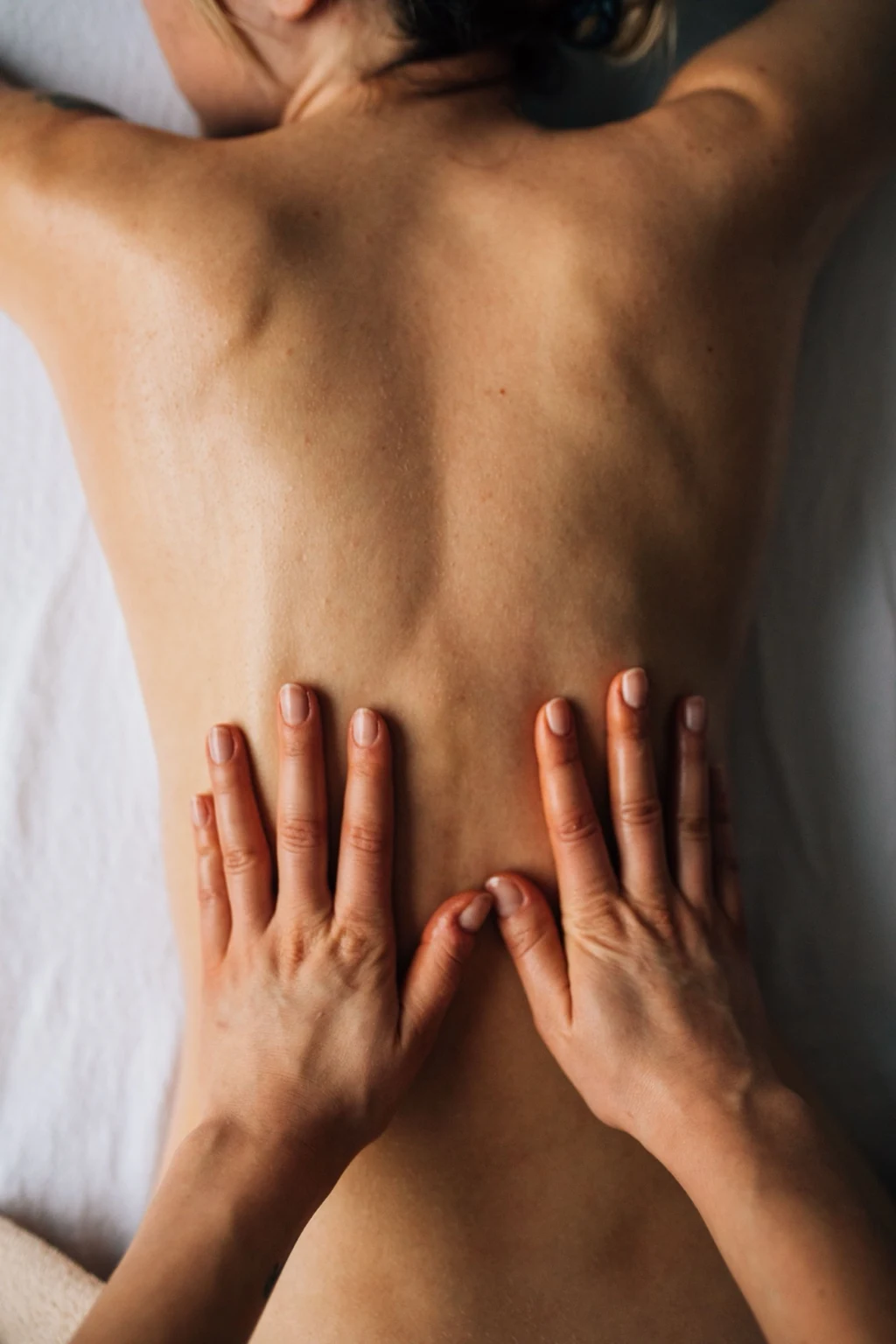
Connected areas that may be treated
Slow massage, sustained pressure and oil-free myofascial techniques may help reduce perceived stiffness and make movement feel easier through the back and trunk.
This deep muscle runs between the pelvis, lumbar spine and lowest rib. When it feels sensitive or overloaded, treatment may include side-lying massage and gentle positioning of the arm, leg or pelvis to create a comfortable stretch.
The gluteus maximus, medius and minimus contribute to hip movement and pelvic control. Depending on the assessment, massage may address tender or tense areas around the buttocks and outer hips.
Gentle work around the abdomen and lower ribs may be included with consent. The diaphragm supports breathing and contributes to trunk control, so treatment may help encourage more relaxed breathing and comfortable rib movement.
What does the research say?
A small randomised trial found that adding specific diaphragm techniques to an osteopathic manual-treatment programme improved pain and disability in people with chronic nonspecific lower-back pain. However, this was not a massage-only study, so the findings should be considered preliminary (Martí-Salvador et al., 2018).
A major review of massage research found some evidence of benefit for painful conditions, including back pain, but relatively few conclusions were supported by moderate-certainty evidence. Massage should therefore be viewed as one part of a broader management plan rather than a guaranteed cure (Mak et al., 2024).
Exercise and aftercare
Your therapist may recommend gentle strengthening or mobility exercises, such as bridges, modified planks, pelvic movements or walking. The exact exercises should match your ability and symptoms.
Research suggests that stabilisation exercise can reduce pain and disability, particularly in the short term, although it is not consistently superior to other suitable forms of exercise (Gomes-Neto et al., 2017).
Walking, gentle mobility, breathing work and individually appropriate strengthening may all play a role in a longer-term plan alongside hands-on treatment.
How treatment can help
Reduce the feeling of tension and tenderness around the lower back.
Support more comfortable movement through the back and hips.
Ease tension around the gluteals, waist and lower ribs.
Help everyday activity and exercise feel more manageable.
Promote relaxation and reduce protective muscle guarding.
Overall
Remedial massage for lower-back pain is best viewed as one part of a thoughtful recovery plan — combining hands-on treatment, movement guidance and gradually rebuilding trust in the back.
Treatment is always adapted to your symptoms, comfort and the activities that matter most to you.
References
Common questions
It can help in the short term. Guidelines generally place manual therapy as a useful adjunct rather than a standalone treatment for non-specific low back pain, most effective when combined with staying active and appropriate exercise. Massage can make movement more comfortable, which is often what allows the exercise to happen.
They answer different questions. Physiotherapy is usually led by assessment, diagnosis and a structured exercise plan. Massage is hands-on treatment aimed at comfort and movement. Many people use both. If your pain follows an injury, or comes with numbness, weakness or bladder changes, seek medical assessment first.
Keep moving, within comfort. Prolonged rest is consistently associated with slower recovery in non-specific low back pain. Gentle, regular movement — walking, changing position often, returning to normal activity gradually — is better supported than avoidance, even when some discomfort remains.