
Sports massage
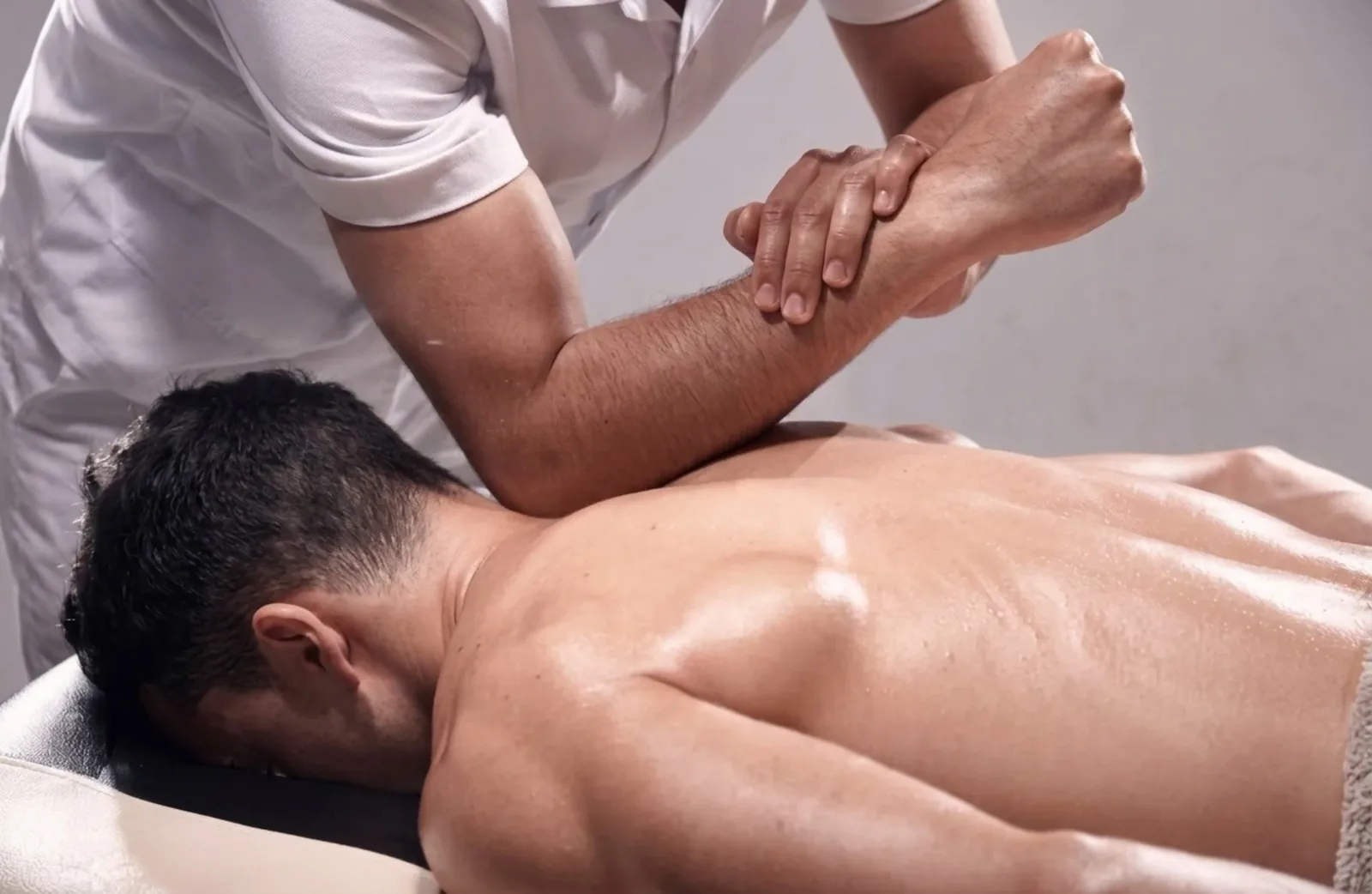
Focuses on how muscles and soft tissues respond to activity, training, repetitive movement or sustained positions. It may combine massage with assisted stretching and movement-based techniques.
Movement-ready care, tailored to you
Targeted treatment for muscular tension, stiffness and movement-related discomfort — whether you train regularly, work at a desk or simply want your body to feel easier.
Who is it for?
Everyday bodiesYou do not need to be an athlete to benefit from sports massage.
What is sports massage?
Sports massage is a targeted treatment for muscular tension, stiffness and movement-related discomfort. Despite its name, you do not need to be an athlete to benefit from it. It can be suitable for anyone whose muscles feel overloaded — from regular gym users and runners to people experiencing tension associated with repetitive work, prolonged sitting or everyday physical activity.
Treatment is adapted to your body, activity level and goals. It may focus on improving comfortable movement, preparing the body for activity or supporting recovery afterwards.
How is it different?
The boundaries between massage styles can overlap. The main difference is how the session is organised: sports massage looks closely at activity, repetitive movement, recovery and the way soft tissues respond to load.
Focuses on how muscles and soft tissues respond to activity, training, repetitive movement or sustained positions. It may combine massage with assisted stretching and movement-based techniques.
Generally uses slower, sustained pressure to work with deeper layers of muscular tension. Sports massage is not necessarily deep or intense.
Is usually organised around assessing and treating a specific painful or restricted area. Sports massage may also be remedial, but often places greater emphasis on movement, activity and recovery.
Techniques that may be included
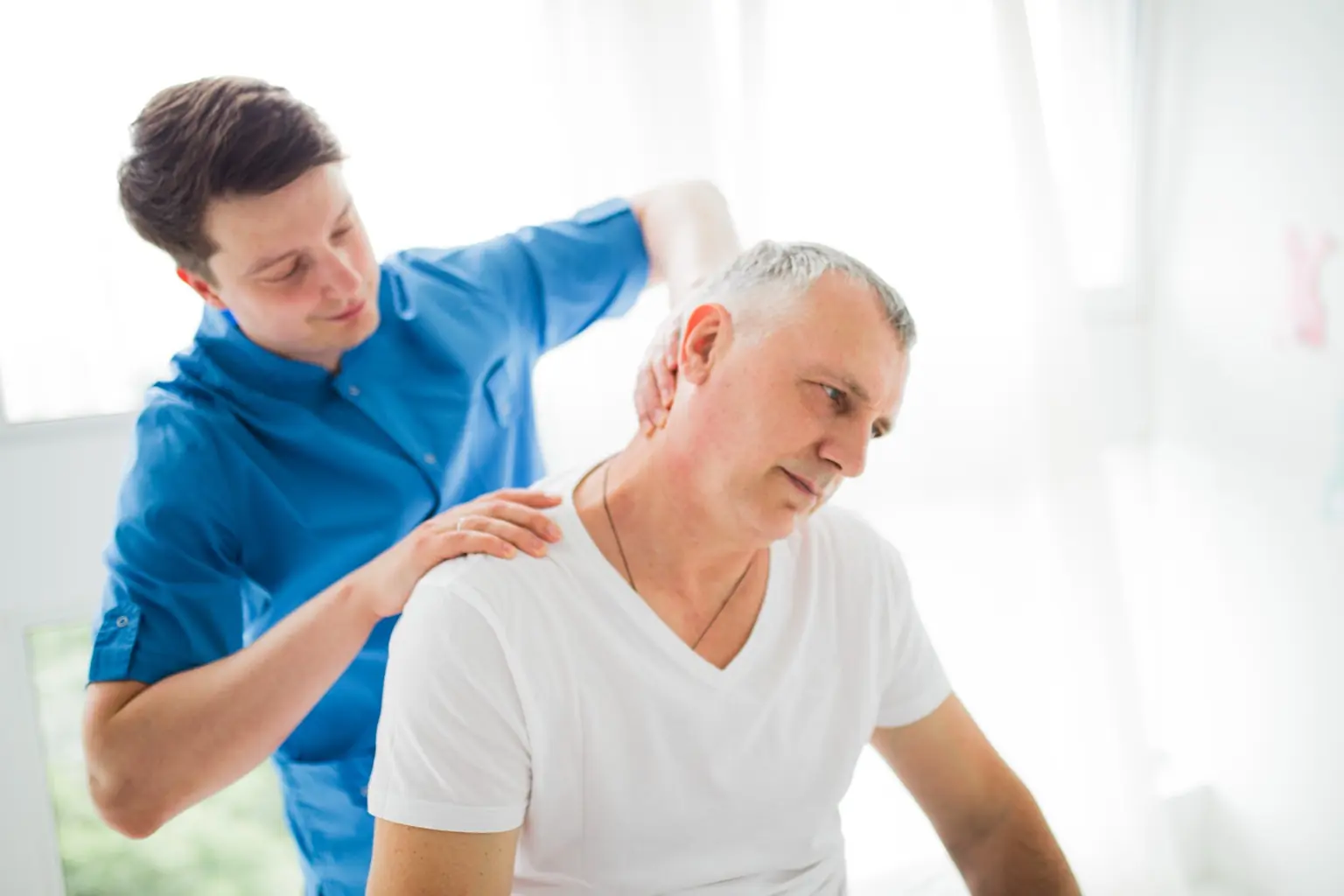
The session is adapted to the areas that feel tense or restricted and to what you want to return to comfortably. Your therapist may combine several approaches rather than applying one technique throughout.
Firm pressure may be useful in some areas, but the treatment should remain controlled, purposeful and appropriate for the tissue response.
Potential benefits
Responses vary, and massage is most useful as part of a wider approach that includes sensible training, movement, sleep and recovery.
Reduce muscular tension and post-exercise soreness.
Temporarily improve flexibility and ease of movement.
Support physical and psychological recovery.
Identify areas that feel overloaded, guarded or sensitive.
Prepare muscles for activity or help them settle afterwards.
Promote relaxation, confidence and body awareness.
What does the research say?
The research suggests small benefits for flexibility and post-exercise soreness, but it does not support sports massage as a direct way to improve strength, sprinting, jumping or endurance performance.
Davis, Alabed and Chico found no direct improvement in strength, sprinting, jumping or endurance. Massage produced small improvements in flexibility and delayed-onset muscle soreness.
Davis, Alabed and Chico, 2020 ↗Guo and colleagues reported that massage after strenuous exercise may reduce muscular soreness, especially over the following 24–72 hours. The studies varied considerably, so the results should be interpreted with caution.
Guo et al., 2017 ↗A personalised approach
Sports massage is best viewed as a personalised way to manage muscular tension, support recovery and encourage comfortable movement — not as a treatment reserved only for competitive athletes or a guaranteed way to improve performance.
Tell your therapist what you do, what feels overloaded and what you would like to move more comfortably. The session can then be shaped around your activity, your body and your goals.
Massage is not a diagnosis or a replacement for medical care. Seek appropriate medical advice for significant injury, unexplained pain, neurological symptoms or other concerning changes.
References
Davis, H.L., Alabed, S. and Chico, T.J.A. (2020) ‘Effect of sports massage on performance and recovery: a systematic review and meta-analysis’, BMJ Open Sport & Exercise Medicine, 6(1), e000614. Available at: https://doi.org/10.1136/bmjsem-2019-000614.
Guo, J., Li, L., Gong, Y., Zhu, R., Xu, J., Zou, J. and Chen, X. (2017) ‘Massage alleviates delayed onset muscle soreness after strenuous exercise: a systematic review and meta-analysis’, Frontiers in Physiology, 8, article 747. Available at: https://doi.org/10.3389/fphys.2017.00747.
Ready to move more comfortably?
Book the appointment length that suits you. Your therapist will discuss your activity, areas of tension and treatment goals before the session begins.
Common questions
It depends on training load rather than a fixed schedule. People training hard several times a week often find every two to four weeks useful; those training lightly may only want it around harder blocks or events. There is no evidence that more frequent treatment produces proportionally better results.
Both are used, for different reasons and at different intensities. Pre-event work is brief and stimulating, usually within a few days of competing rather than immediately before. Post-event work is gentler and aimed at comfort. Deep, unfamiliar work close to an event carries a risk of leaving you sore.
The evidence for a direct performance benefit is weak. What research supports more consistently is a short-term reduction in perceived soreness and an improvement in how comfortable movement feels. Those are worthwhile, but massage is a support to training rather than a substitute for it.
Light activity is usually fine. A heavy or technically demanding session on the same day is better avoided after deep work, because tissues can feel temporarily less responsive. If you have a key session planned, book the treatment for a different day or ask for lighter work.